🌿 Polka dot plant
🎨 Color Palette
About Polka dot plant
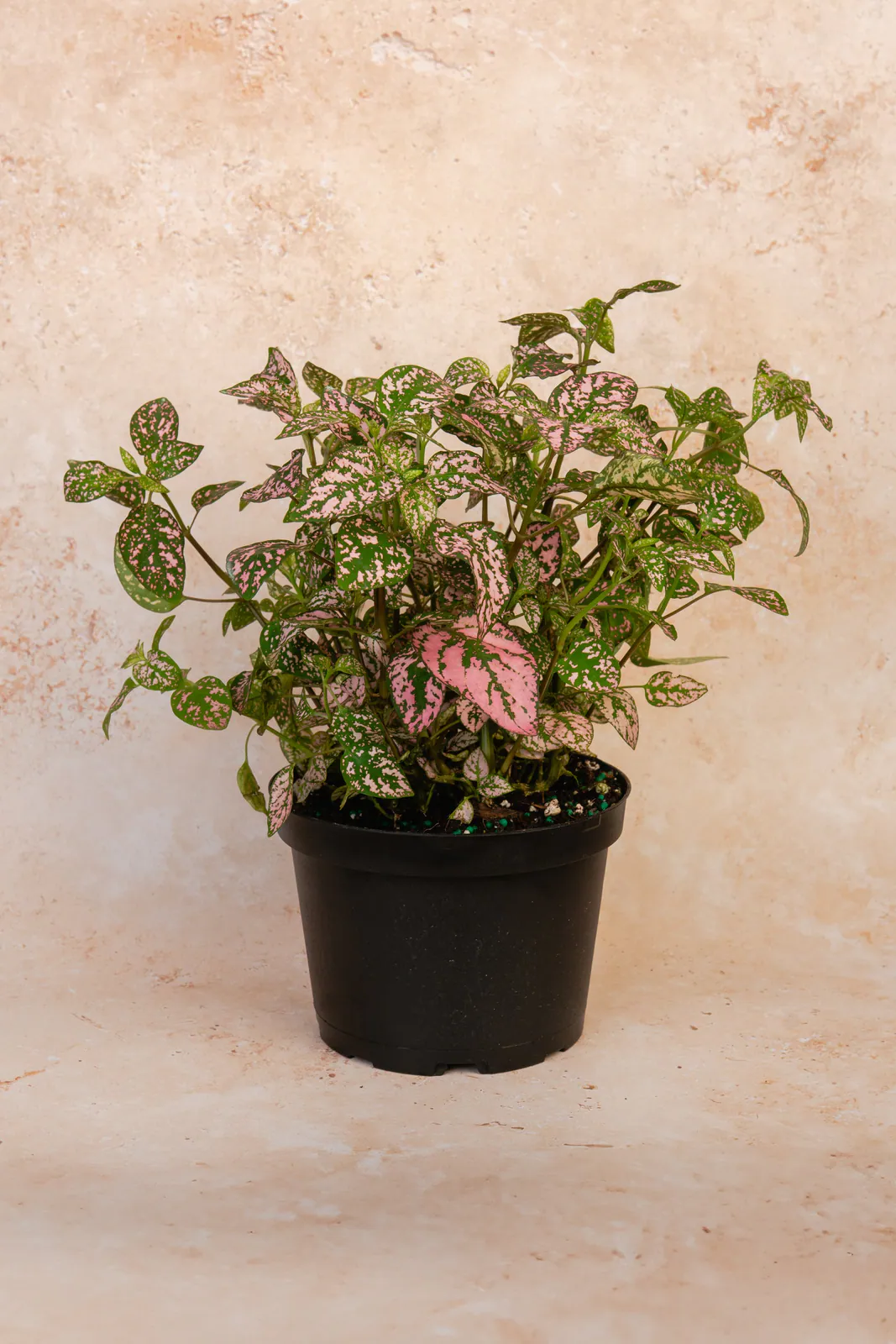
Hypoestes phyllostachya (pea plant) is a compact ornamental plant in the Acanthaceae family, cultivated mainly for its brightly patterned foliage. Native to Madagascar, it is widely grown and sold as a colorful houseplant or seasonal bedding plant. The plant forms a low, branched habit with supple, somewhat succulent stems and opposite, oval leaves. The leaf blades are typically green with conspicuous flecks or mottles of pink, red or white, the intensity of which is influenced by light levels and particular selection. In containers, it usually reaches a height of 20-30 cm and can spread in the same way. Regular pinching and pruning promotes dense, bushy growth and helps prevent the formation of a leg.
🌱 Detailed Care Guide
📐 Growth & Structure
📅 Phenology
🌍 Ecology
✨ Usage & Benefits
- ornamental
⚠️ Safety & Traits
🌱 Propagation
🧪 Soil & Nutrition
🐛 Pests & Diseases
📝 Expert Advice
Use a humus-rich, fertile, well-drained but moisture-retaining medium. Prefer an aerated mix for houseplants (based on peat or coco, for example), amended with perlite/pumice and/or a little coarse sand to improve drainage and oxygenation; avoid heavy, compacted soils. Keep the substrate evenly moist, but never soggy, and use pots with drainage holes. A slightly acidic to neutral pH is suitable (approx. 5.5-7.0).
Sow indoors for best results. Use a fine, sterile seed-starting mix in trays or small pots, and moisten the medium beforehand. Sow very small seeds finely on the surface and press them gently into the compost; do not cover, as light encourages germination. Maintain high humidity (cover with a transparent lid/bag, with some ventilation) and keep humidity even, but never soggy. Provide bright light (a sunny windowsill or grow lights) and warm conditions of around 21-24°C (70-75°F). Germination generally takes 1-3 weeks. When seedlings are large enough to handle, transplant and pot them in individual containers. Grow them in bright, indirect light and pinch off shoot tips to encourage vegetative growth. Transplant into a larger pot or plant outdoors only when all risk of frost has been averted and night-time temperatures are sufficiently warm; harden off for 7-10 days before moving outside. Space plants about 20-30 cm (8-12 in) apart in a fertile, moisture-holding but non-draining environment; keep constantly moist and protected from the midday sun.
Feed lightly during the active growth period (spring to summer). Use a balanced, water-soluble houseplant fertilizer, diluted to about half the dose every 2 to 4 weeks, or apply a low-dose, slow-release fertilizer once at the start of the growing season for container plants. Reduce fertilization in autumn and stop (or give very little) in winter when growth slows. Avoid over-fertilization, which can lead to sluggish growth, legginess and poorer leaf color; occasionally rinse the potting mix with ordinary water to prevent salt build-up.
Pinch stem ends regularly during active growth to encourage branching and maintain a compact, bushy habit. The plant tolerates fairly severe rejuvenation pruning if necessary (about 1/3-1/2 of stem length), preferably in spring or early summer. Remove flower spikes as soon as they appear to prolong foliage exposure and redirect energy towards leaf growth. Use clean, sharp scissors/trimmers and avoid heavy pruning in winter or during periods of low light, when regrowth is slow.
🤝 Companion Plants
These plants grow well together:
📖 View Complete Guide
For the full interactive experience with additional photos, personalized advice, and gardening tools:
Visit Aphylia →