🌿 Anemone
🎨 Color Palette
About Anemone
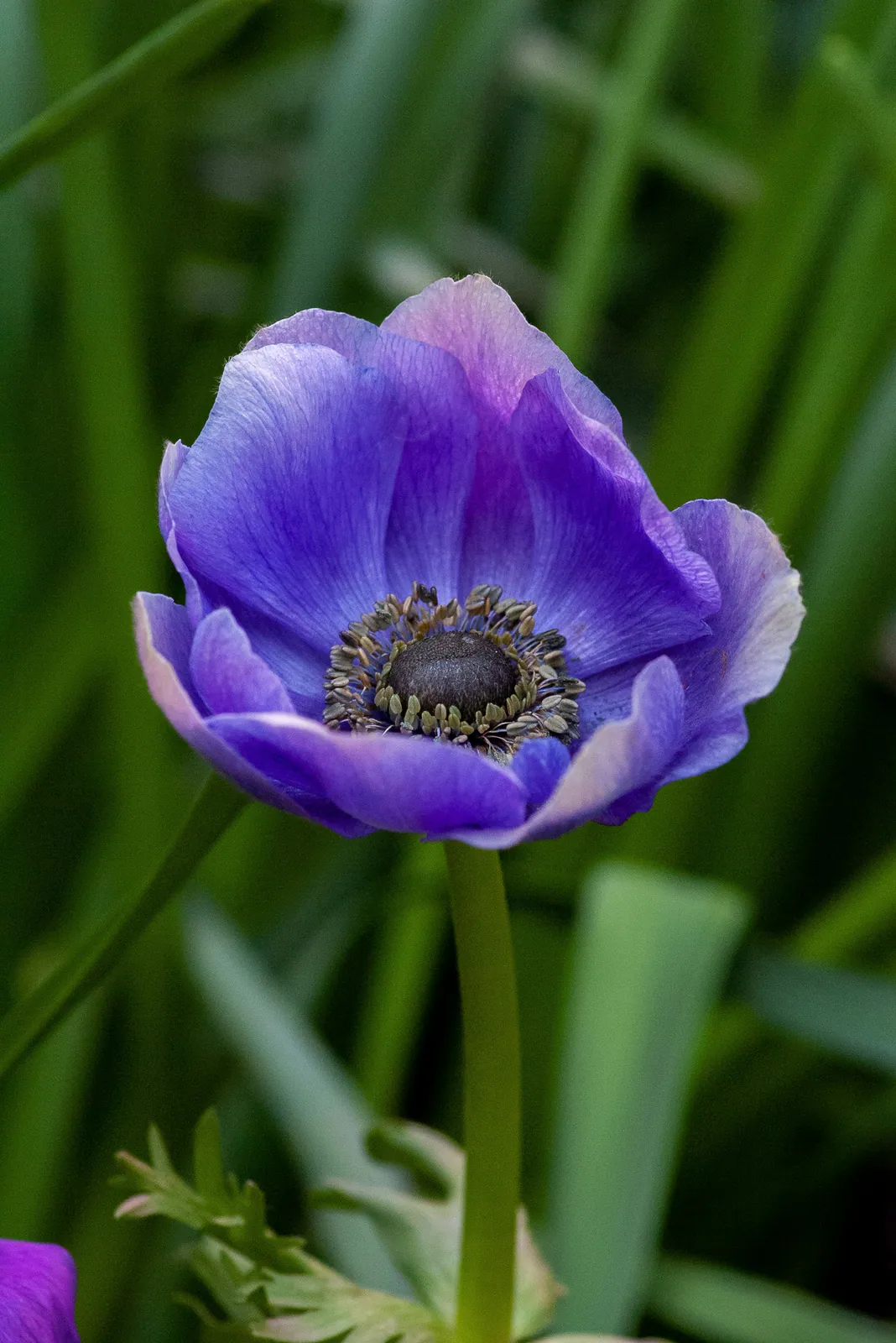
Anemone is a genus of herbaceous flowering plants in the buttercup family (Ranunculaceae), comprising numerous species distributed mainly in temperate regions of the northern hemisphere, with other species found in mountainous or cool climates elsewhere. The plants are commonly called anemones or windflowers, reflecting the airy habit of many species and the way their flowering stems can move easily in the breeze. Most are perennials, arising from fibrous roots, creeping rhizomes or tuber-like storage organs, and many go dormant after flowering.
🌱 Detailed Care Guide
📐 Growth & Structure
📅 Phenology
🌍 Ecology
✨ Usage & Benefits
- ornamental
⚠️ Safety & Traits
🌱 Propagation
🧪 Soil & Nutrition
🐛 Pests & Diseases
📝 Expert Advice
Most anemone species thrive best in fertile, humus-rich soil that remains evenly moist but drains freely (e.g., potting soil amended with leaf mold or well-decomposed compost). Avoid waterlogged or compacted soils, which can rot crowns/tubers; on heavy clay soils, incorporate organic matter and coarse gravel/sand generously, and consider raised beds for more effective drainage. On very light sandy soils, add compost/leaf mold to increase water retention while maintaining an open structure. Scots/rhizomatous anemones generally prefer cool, humus-bearing, constantly moist soils; Mediterranean/tuberous types (e.g. A. coronaria) need a lighter, sandier, highly drained mix and must not remain damp, especially during dormancy.
Anemone includes both species grown from seed and types usually planted as tubers (especially Anemone coronaria, the florist's anemone). Requirements vary from species to species, but the following advice applies in general. From seed (many species and some cultivars): - Use fresh seeds if possible; viability generally declines during storage. - Many anemone seeds are dormant and germinate best after a period of cold, damp weather (winter chill). - Timing: sow outdoors in pots/sowing trays in late summer or autumn, or in winter in a cold frame, so that the seeds can withstand the natural cold. - Sowing method: sow finely on the surface or cover very lightly with fine compost (do not bury deeply). Tamp lightly. - Humidity/light: keep humidity even, but never soggy; provide bright light and cool conditions (avoid high indoor temperatures). - Germination: often slow and irregular; may take weeks or months, and sometimes only after a cold spell. - After germination: transplant when large enough to handle; grow in pots until well rooted. Harden off and plant out in spring or early autumn. Protect young plants from slugs and snails. - If you're sowing under cover and there's no natural winter chill: cold-stratify in a humid environment at around 1-5°C for several weeks, then place in a cool, bright spot for germination. Planting tubers (commonly sold for A. coronaria): - Timing: plant in autumn in mild climates for spring flowering; in colder regions, plant in late winter/early spring, or start in pots under cover. - Pre-soaking: rehydrate dry tubers by soaking them in water at room temperature for about 2 to 6 hours (do not soak for long periods). - Optional pre-sprouting: after soaking, place tubers in slightly damp compost in a cool place until small shoots/roots appear, then plant. - Depth and spacing: plant 5-8 cm deep and 10-15 cm apart. - Orientation: tubers are often gnarled and have no obvious end; planting them on their side is acceptable. - Location/soil: full sun to light shade; soil retains moisture but drains easily. Improve heavy soils with gravel and organic matter to reduce rotting. - Watering: water after planting; then keep just moist until growth begins, avoiding winter waterlogging. General notes: - Good drainage is essential for plants that overwinter. - In containers, use a draining mix and ensure that pots never stand in water.
Anemones generally feed very little; too much fertilizer, especially if it's high in nitrogen, can produce lush leaves and fewer flowers. - When planting (tubers, divisions or potted plants): incorporate well-decomposed compost or leaf compost, or spread after planting. Avoid fresh manure. - In early spring (established clumps): apply a light coat of a balanced, slow-release general fertilizer at the start of new growth, or top-dress with compost. - During active growth and flowering: in containers or very poor soils, apply a dilute, balanced liquid fertilizer every 2 to 4 weeks; stop at the end of flowering. - After flowering: avoid heavy applications. For perennials, mulch with compost to maintain soil structure and a regular, gentle supply of nutrients. Water after fertilizer application and keep concentrated fertilizer away from crowns/tubers/roots.
Apply a 2-5 cm mulch of organic matter (leaf mold, composted bark or well-decomposed garden compost) around the anemones to conserve soil moisture, reduce temperature variations and suppress weeds. Keep mulch a few centimetres away from crowns, rhizomes and new shoots to reduce the risk of rotting, especially on heavy or wet soils in winter. Wood anemones and spring-flowering anemones benefit from an annual application of leaf compost in autumn to mimic natural wood litter. Tuberous anemones (e.g. Anemone coronaria) prefer lighter mulch and highly draining conditions - avoid thick, damp mulches that can keep tubers too moist. In colder climates, add extra protective winter mulch after the soil has cooled or frozen, then remove it in late winter or early spring when new growth begins.
🤝 Companion Plants
These plants grow well together:
📖 View Complete Guide
For the full interactive experience with additional photos, personalized advice, and gardening tools:
Visit Aphylia →