🌵 Curly jade plant
🎨 Color Palette
About Curly jade plant
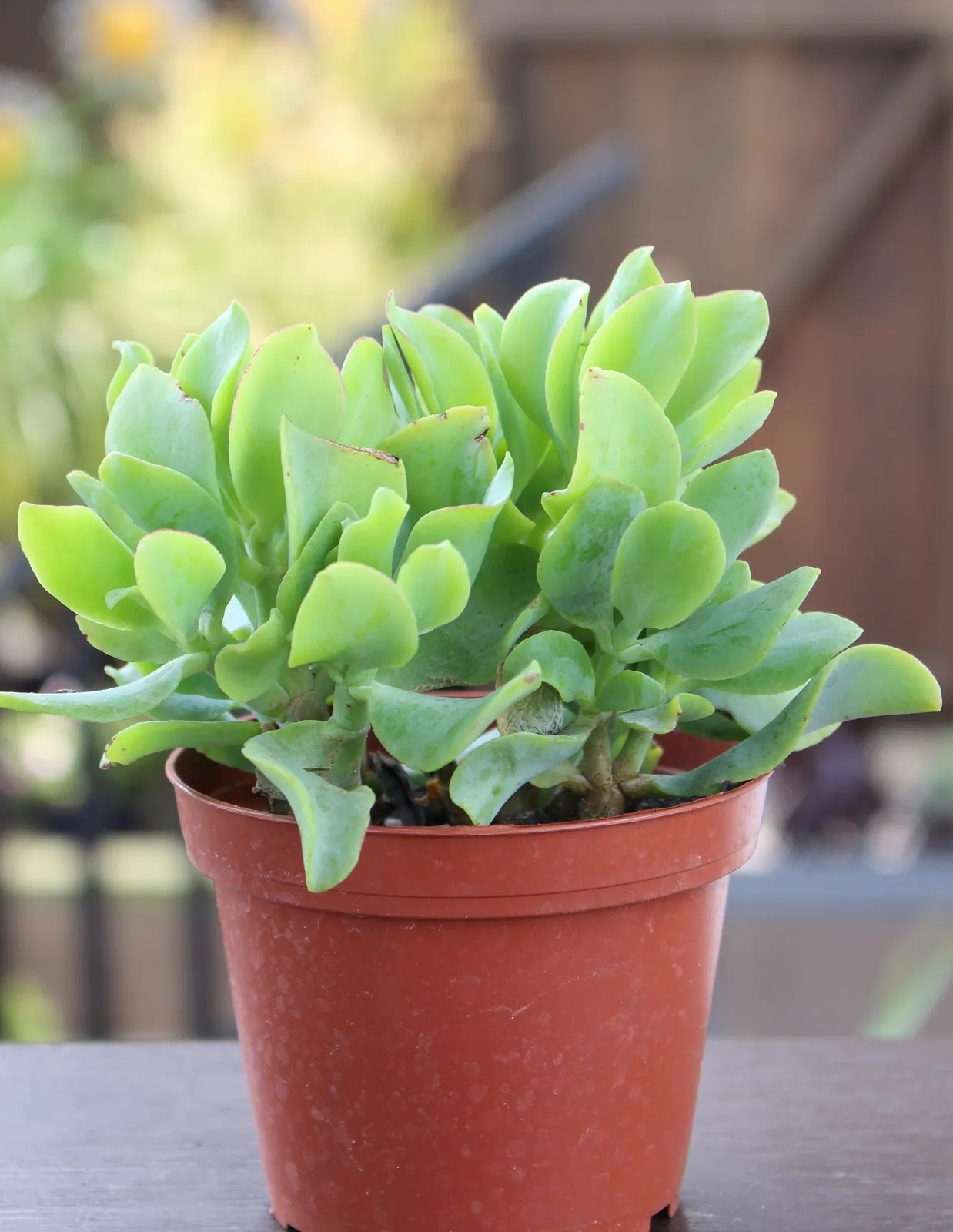
"Crassula 'Curly'" is a horticultural selection of the jade plant (Crassula ovata), a succulent shrub in the Crassulaceae family native to South Africa and Mozambique. Like the typical jade plant, it forms thick, woody stems that store water and gradually develop a bonsai-like structure with age. The "Curly" form is distinguished by its fleshy, glossy leaves, which are more tightly curled than those of standard C. ovata, giving the plant a compact, sculptural appearance.
🌱 Detailed Care Guide
📐 Growth & Structure
📅 Phenology
🌍 Ecology
✨ Usage & Benefits
- ornamental
⚠️ Safety & Traits
🌱 Propagation
🧪 Soil & Nutrition
🐛 Pests & Diseases
📝 Expert Advice
Use a substrate for succulents with very low drainage: a potting soil or cactus compost heavily amended with mineral grains (coarse sand, pumice, perlite, etc.) to keep it aerated and prevent it from becoming waterlogged. Avoid moisture-retaining, heavy mixes such as peat; pots should have excellent drainage. A neutral to slightly acid medium is suitable.
Crassula (jade-type succulents sold under the name "Curly") are more reliable when vegetatively propagated; seeds are possible but slow and less predictable. From seed (if available): - Period: Sow in spring or early summer, when days are warm and long. - Medium: Use a sterile, highly draining mixture (fine cactus compost or sieved compost cut with sand/sharp grain). - Sowing: Spread seeds on the surface; do not bury deeply (at most a layer of fine sand/vermiculite). - Conditions: Bright light but out of the sun; maintain regular humidity (not wet) and warmth, ideally between 18 and 24°C. - Aftercare: Aerate to reduce damping-off; transplant seedlings, once large enough to handle, into small pots of granular compost. From cuttings (recommended): - Take a healthy stem or single leaf in spring/summer. - Leave cut surfaces to heal for several days in a dry, ventilated area. - Insert in dry, draining cactus/succulent compost; wait ~5-10 days before lightly watering for the first time, then water sparingly until the plant has taken root. Planting/potting: - Grow in a pot with drainage holes using a granular cactus/succulent mix. - Place in full light (a little direct sun is beneficial once acclimatized). - Water abundantly and allow compost to dry out between waterings; keep compost much drier in winter. - Protect from frost; avoid waterlogging at any time.
Feed sparingly. During the active growth period in spring and summer, apply a balanced, low-nitrogen cactus/succulent fertilizer at a rate of 1/4-1/2 approximately once every 4 to 6 weeks (or use a slow-release succulent fertilizer at the low dose indicated on the label). Fertilize only on moist soil (water first) and avoid feeding stressed or recently repotted plants. Stop fertilizing in autumn and winter when growth slows. Over-fertilization can lead to weak, limp growth and increased susceptibility to rot.
🤝 Companion Plants
These plants grow well together:
📖 View Complete Guide
For the full interactive experience with additional photos, personalized advice, and gardening tools:
Visit Aphylia →