🧗 cucumber
🎨 Color Palette
About cucumber
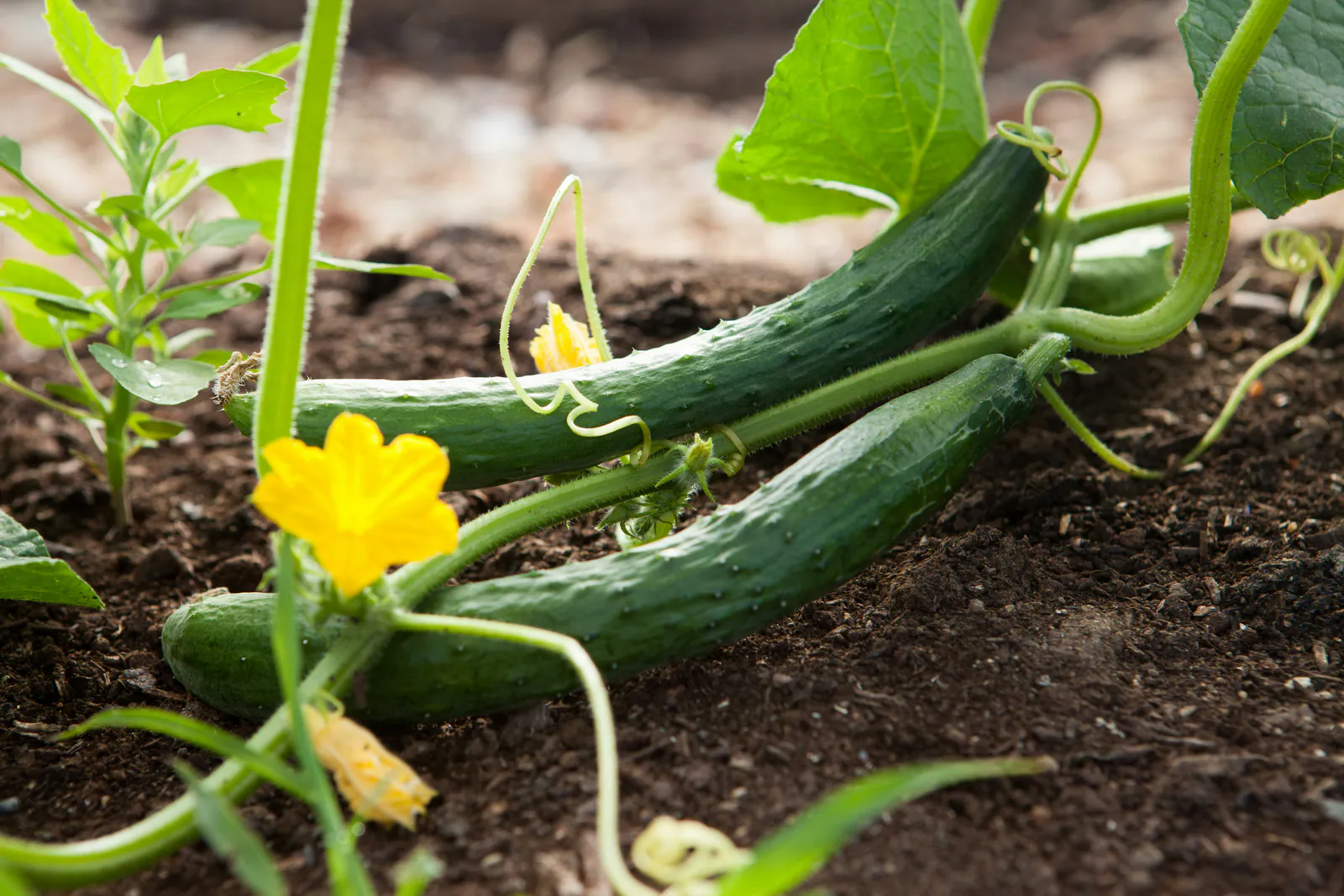
The cucumber (Cucumis sativus) is a tender annual climbing plant of the Cucurbitaceae family, cultivated worldwide for its edible, usually immature fruit. The plant forms long, trailing or climbing stems with coiled tendrils and large, palmately lobed leaves. The five-petaled yellow flowers are usually borne separately as male and female flowers on the same plant (monoecious), and fruiting normally depends on pollination by insects, particularly bees; some cultivated types are parthenocarpic and can produce seedless fruit without pollination. Botanically speaking, the cucumber is a pepo, a fleshy fruit with a firm rind and watery interior, whose size, shape, skin texture and bitterness vary considerably according to genetics and growing conditions.
🌱 Detailed Care Guide
📐 Growth & Structure
📅 Phenology
🌍 Ecology
✨ Usage & Benefits
- edible
- Edible parts: flower, fruit, seed
⚠️ Safety & Traits
🌱 Propagation
🧪 Soil & Nutrition
🐛 Pests & Diseases
📝 Expert Advice
Grow in deep, fertile, well-drained soil rich in organic matter (compost or well-decomposed manure). Soil should retain moisture yet be aerated - avoid heavy, compacted or waterlogged substrates; raised beds can aid drainage. Raised beds can facilitate drainage. Maintain regular humidity with mulching, and aim for a slightly acidic to neutral pH (around 6.0-7.0).
Sow cucumbers (Cucumis sativus) after the risk of frost when conditions are warm, or start under cover earlier. Indoors/under cover (recommended in cool climates): - Timing: sow in mid to late spring, about 3 to 4 weeks before planting. - Temperature: keep compost and air warm; optimal germination is around 20-25°C. - Sowing: sow 1 seed per 7-9 cm pot (or module) in potting soil, at a depth of 1.5-2 cm. Keep evenly moist, but not soggy. - Germination: generally 7-10 days in a warm place. - Growing: provide plenty of light and even heat. Avoid controlling growth. Pot if roots fill the pot. - Hardening off: acclimatize for 7-10 days before planting. Direct sowing in the ground: - Time: only when the soil is well warmed and there is no risk of frost. - Location: in full sun, in fertile, well-drained, moisture-retaining soil; incorporate well-decomposed organic matter before sowing. - Sowing: sow 2-3 seeds per station, 1.5-2 cm deep; thin out to the strongest seedling. Planting / spacing: - Plant when nights are warm and plants are robust. - Space plants approx. 45-60 cm apart (rows approx. 90-120 cm apart), or set up a trellis with similar spacing between rows to improve air circulation. - Water well after planting and keep the soil constantly moist; mulch helps retain moisture. Protected cultivation (greenhouse/polytunnel): - For greenhouse cultivation, sow under cover and plant in final position once temperatures are warm (often in late spring), allowing 45-60 cm per plant; provide supports for climbing varieties.
Incorporate well-decomposed compost or aged manure before planting. If the soil has not been analyzed, use a balanced fertilizer at planting (e.g. 10-10-10) at the rates indicated on the label; avoid heavy nitrogen, which favors leaves to the detriment of fruit. When the vines begin to run and again at the start of flowering and fruit set, apply a side-dressing of a low-nitrogen, high-phosphorus fertilizer (e.g. 5-10-10) or a compost supplement, keeping the fertilizer a few centimetres from the stems and watering it in. In containers, use a low-concentration complete soluble fertilizer every 1-2 weeks during active growth, reducing nitrogen if vines are lush but fruiting is weak.
Mulch cucumbers once the soil has warmed up (usually after planting and once seedlings are established). Apply a 5-8 cm layer of clean organic mulch such as straw, shredded leaves, pesticide-free grass clippings (in thin layers) or finished compost to conserve moisture, reduce weeds and keep fruit cleaner. Keep the mulch a few centimetres away from the stems to reduce crown and stem rot. In cooler climates, black plastic or biodegradable film can be used early to warm the soil; add organic mulch later if necessary. Avoid using fresh manure as mulch, and keep an eye out for slugs and other pests that may take shelter under thick mulch.
📋 Additional Information
🤝 Companion Plants
These plants grow well together:
📖 View Complete Guide
For the full interactive experience with additional photos, personalized advice, and gardening tools:
Visit Aphylia →